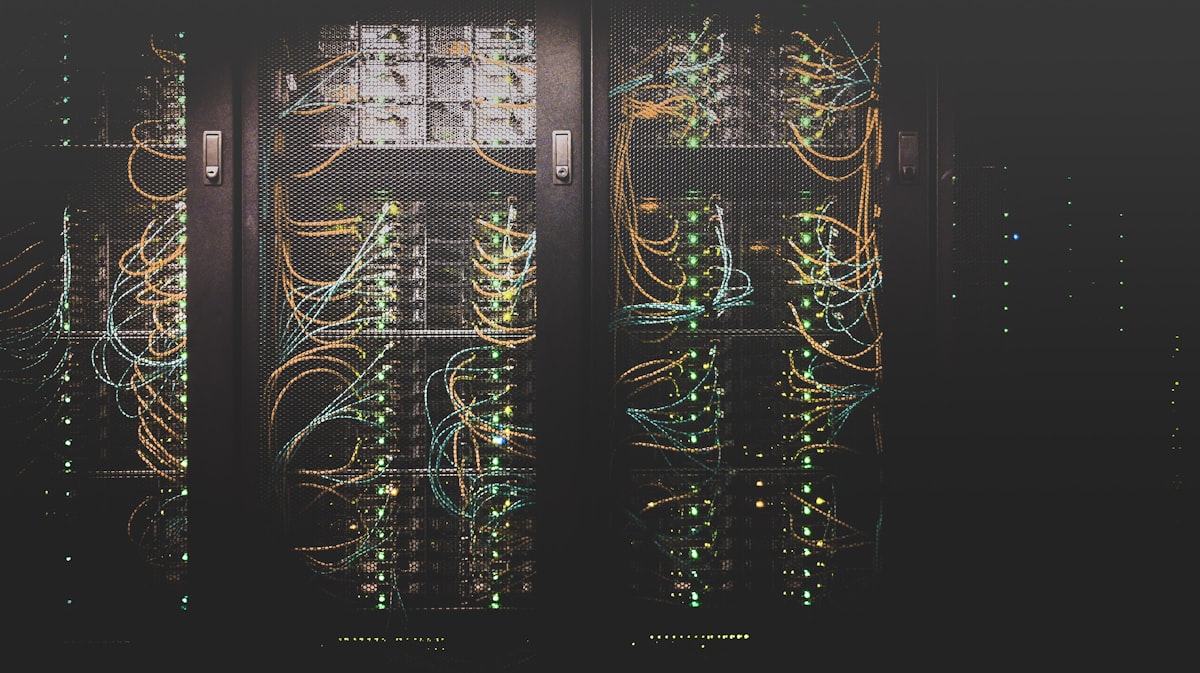
The last decade of data center innovation was mostly a hardware story — denser racks, faster interconnects, custom silicon purpose-built for one workload. The current wave is different: the interesting gains are coming from software finally being asked to squeeze more out of hardware that isn’t getting meaningfully cheaper or more abundant fast enough to keep up with demand.
The pressure point is power, not floor space. Operators are running into grid capacity limits in ways that a bigger building can’t solve — you can’t get more electricity delivered to a site just by paying for it, in a lot of regions the wires simply aren’t there yet. That’s turned scheduling software into a genuinely strategic layer rather than plumbing: workloads that can tolerate being paused and resumed are increasingly shifted to run when power is cheap and available, and idle capacity is being sold back rather than left spinning uselessly.
Virtualization is having its own quiet renaissance. Lightweight virtual machines that boot in milliseconds instead of seconds have made it practical to isolate untrusted workloads far more granularly than before, without paying the old performance tax for that isolation. That matters enormously for anyone renting out compute to third parties, which, increasingly, is the actual business model of a modern data center — less a warehouse for a company’s own servers, more a utility company for compute.
Cooling software deserves more credit than it gets in this story. Machine-learning-tuned cooling systems that adjust airflow and temperature in real time based on live thermal sensor data have delivered efficiency gains that used to require an entirely new physical cooling architecture to achieve. It’s a rare case of software eating a problem that the industry assumed was purely mechanical.
None of this is glamorous work, and none of it will headline a keynote the way a new chip does. But the operators actually running these facilities will tell you, if you ask, that the software scheduling layer is where the real margin is being found right now — because the hardware roadmap is public and every competitor can buy the same chips, while the software squeezing more out of them is not.
Leave a Reply