Category: Gadgets

  • Wearables Are Becoming Invisible

    Wearables Are Becoming Invisible

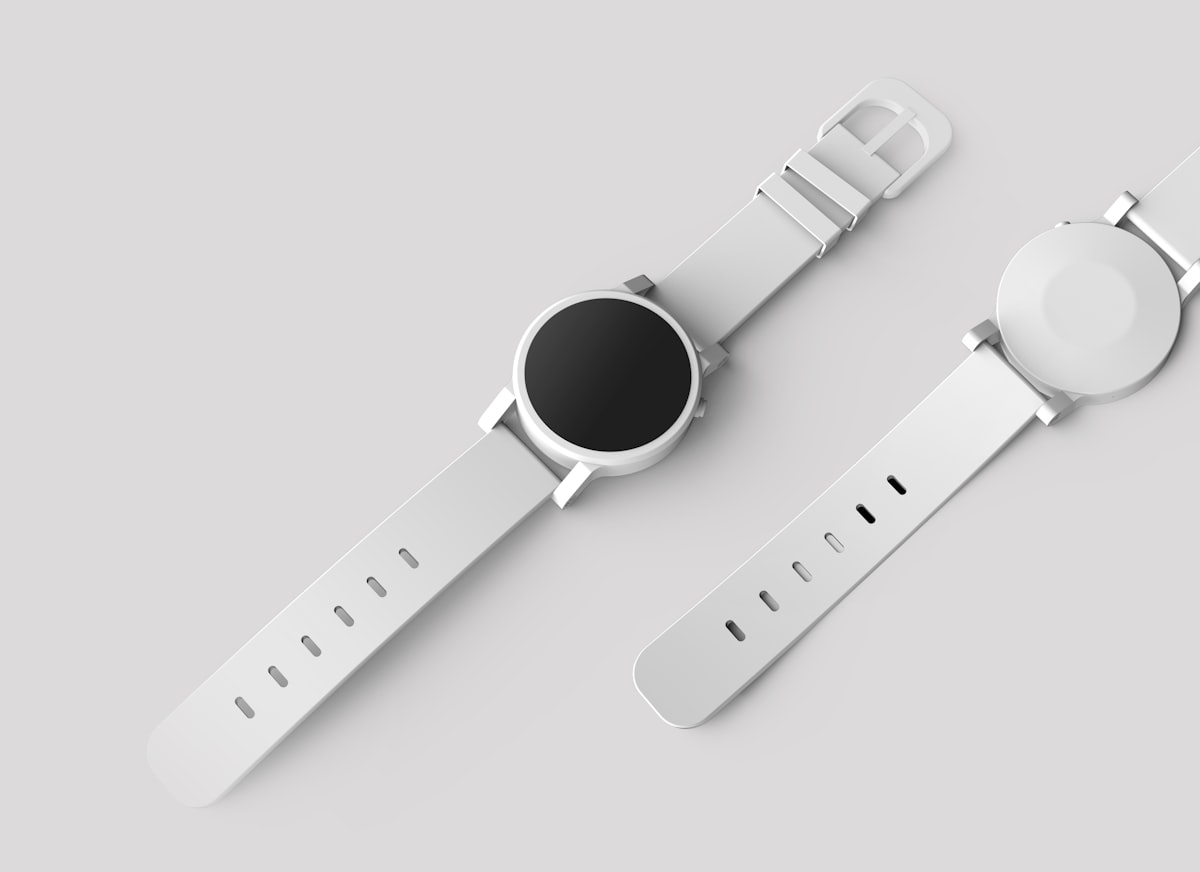
    The most telling trend in wearables isn’t a new feature — it’s the direction devices are shrinking toward. Smart rings that track sleep without a screen to check. Earbuds that quietly monitor heart rate between songs. Clips and pins that do one job and disappear into a jacket. The industry spent a decade putting more screen on your wrist; the current move is putting less screen everywhere else on your body.

    Part of this is battery physics catching up with ambition. A ring has no room for a display, which means all of its power budget goes toward sensors and radio, which means it can last a week instead of a day. That constraint, once a limitation, turned out to be a feature: people report actually wearing sleep trackers overnight now, because they no longer have to remember to charge them at exactly the wrong time.

    The other part is a quiet rebellion against notification fatigue. A watch face buzzing every few minutes trained an entire generation to check it obsessively. A ring that just… knows things, and tells you once a day in an app, is a fundamentally different relationship with your own data — less like a leash, more like a diary you didn’t have to write.

    Health regulators have started paying closer attention as these devices edge from “wellness” into genuinely medical territory — continuous glucose monitors that don’t require a prescription, blood-oxygen sensors accurate enough that a doctor might actually act on the number. That regulatory line, between a gadget and a medical device, is getting blurrier by the product cycle, and the companies straddling it are being noticeably more careful with their claims than they were three years ago.

    What’s missing so far is the killer software layer that ties all these invisible sensors together into something more useful than a slightly-better sleep score. The hardware got small and smart faster than anyone built the dashboard that makes sense of it. That’s the gap the next generation of wearable software is racing to fill.
  • Foldables Finally Grew Up

    Foldables Finally Grew Up

    The first wave of foldable phones had a crease you could catch a fingernail on, a hinge that whined faintly when you opened it in a quiet room, and a battery life that made you plan your day around an outlet. It’s easy to forget how rough that first generation was, because the current one barely resembles it.

    The crease hasn’t disappeared, but on the latest hinge designs it’s become something you feel more than see — a shallow dip rather than a canyon. That’s mechanical engineering, not software: multi-bar hinge assemblies that distribute the fold across a wider arc instead of pinching the display at a single point. It’s the kind of unglamorous, iterative fix that doesn’t make a keynote highlight reel but is the entire reason foldables stopped feeling like beta hardware.

    The more interesting shift is in what people actually do with the extra screen. Early foldable software was, charitably, an afterthought — phone apps stretched to fit a tablet-shaped hole. Now the multitasking layer is native: drag an app to a screen edge and it snaps into a real split-pane, not a scaled-up phone view. Note-taking and drawing apps in particular have found their footing here in a way that feels less like a novelty and more like the actual point of the form factor.

    Durability is the number that still keeps buyers on the fence, and manufacturers know it — the marketing has quietly shifted from “look how thin” to “rated for N hundred thousand folds,” a durability claim nobody bothered making three years ago because the answer would have been embarrassing. Water resistance has caught up too, though dust resistance around the hinge remains the honest weak point in most flagship spec sheets, buried below the fold in the marketing copy, if you’ll forgive the pun.

    Price is the last holdout. Foldables still carry a several-hundred-dollar premium over a flat flagship with equivalent internals, and that gap has narrowed more slowly than the hardware has improved. The phones got good years before they got affordable — a familiar story, and one more reason to expect this to be the year foldables stop being a curiosity and start being a mainstream upgrade choice.