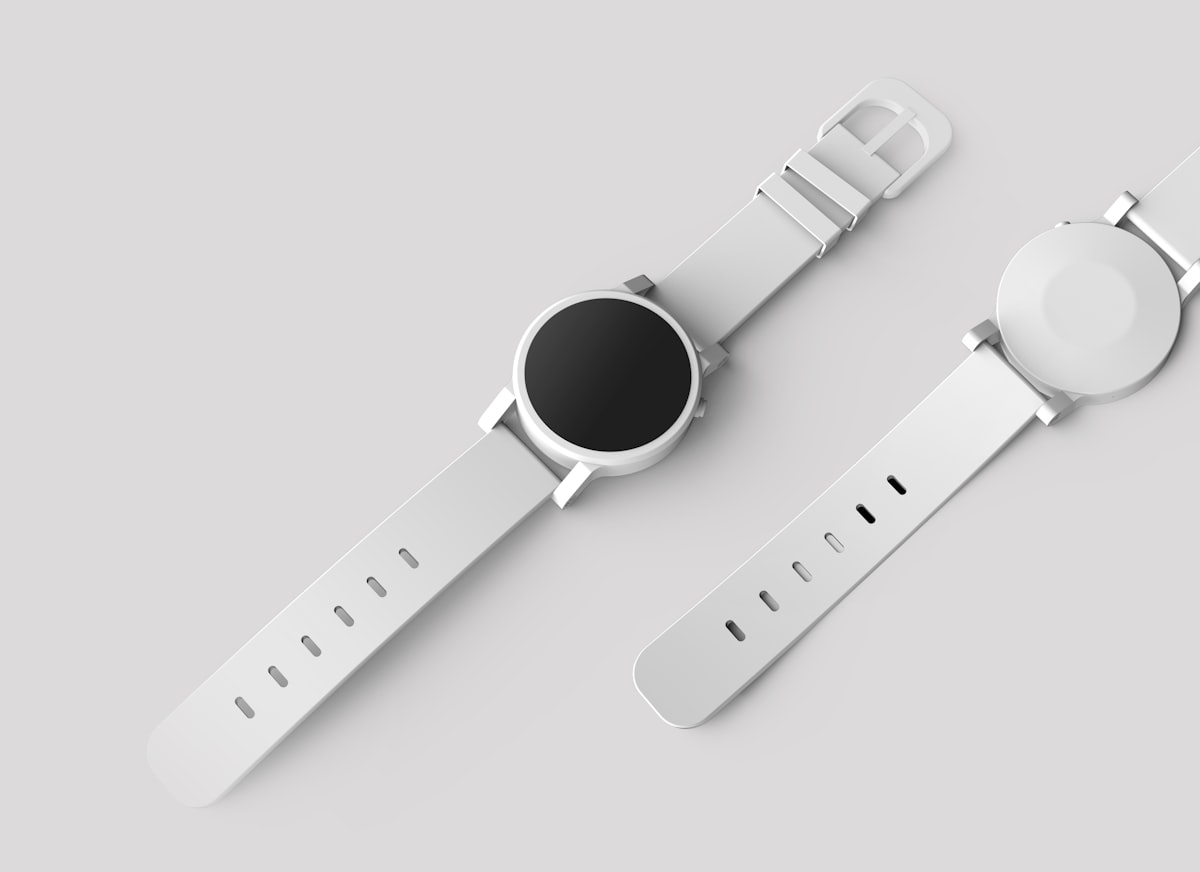
The most telling trend in wearables isn’t a new feature — it’s the direction devices are shrinking toward. Smart rings that track sleep without a screen to check. Earbuds that quietly monitor heart rate between songs. Clips and pins that do one job and disappear into a jacket. The industry spent a decade putting more screen on your wrist; the current move is putting less screen everywhere else on your body.
Part of this is battery physics catching up with ambition. A ring has no room for a display, which means all of its power budget goes toward sensors and radio, which means it can last a week instead of a day. That constraint, once a limitation, turned out to be a feature: people report actually wearing sleep trackers overnight now, because they no longer have to remember to charge them at exactly the wrong time.
The other part is a quiet rebellion against notification fatigue. A watch face buzzing every few minutes trained an entire generation to check it obsessively. A ring that just… knows things, and tells you once a day in an app, is a fundamentally different relationship with your own data — less like a leash, more like a diary you didn’t have to write.
Health regulators have started paying closer attention as these devices edge from “wellness” into genuinely medical territory — continuous glucose monitors that don’t require a prescription, blood-oxygen sensors accurate enough that a doctor might actually act on the number. That regulatory line, between a gadget and a medical device, is getting blurrier by the product cycle, and the companies straddling it are being noticeably more careful with their claims than they were three years ago.
What’s missing so far is the killer software layer that ties all these invisible sensors together into something more useful than a slightly-better sleep score. The hardware got small and smart faster than anyone built the dashboard that makes sense of it. That’s the gap the next generation of wearable software is racing to fill.
Leave a Reply